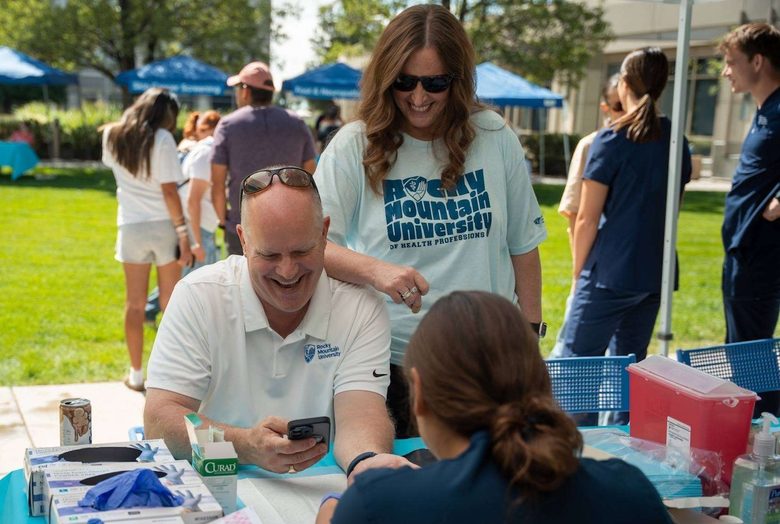
The national nursing faculty shortage is creating significant barriers for students seeking to enter the profession. According to the American Association of Colleges of Nursing (AACN), more than 65,000 qualified applicants were turned away from nursing programs in 2023 due to limited faculty and resources. Nursing schools also reported nearly 2,000 full-time faculty vacancies in 2024, with nearly 80% of open positions requiring or preferring a doctoral degree.
For aspiring nurses, the shortage means longer waitlists, fewer program openings, and reduced access to mentorship and instruction. The impact extends far beyond the classroom: when fewer students can enter nursing programs, fewer nurses graduate to care for patients—exacerbating the nationwide healthcare workforce crisis.
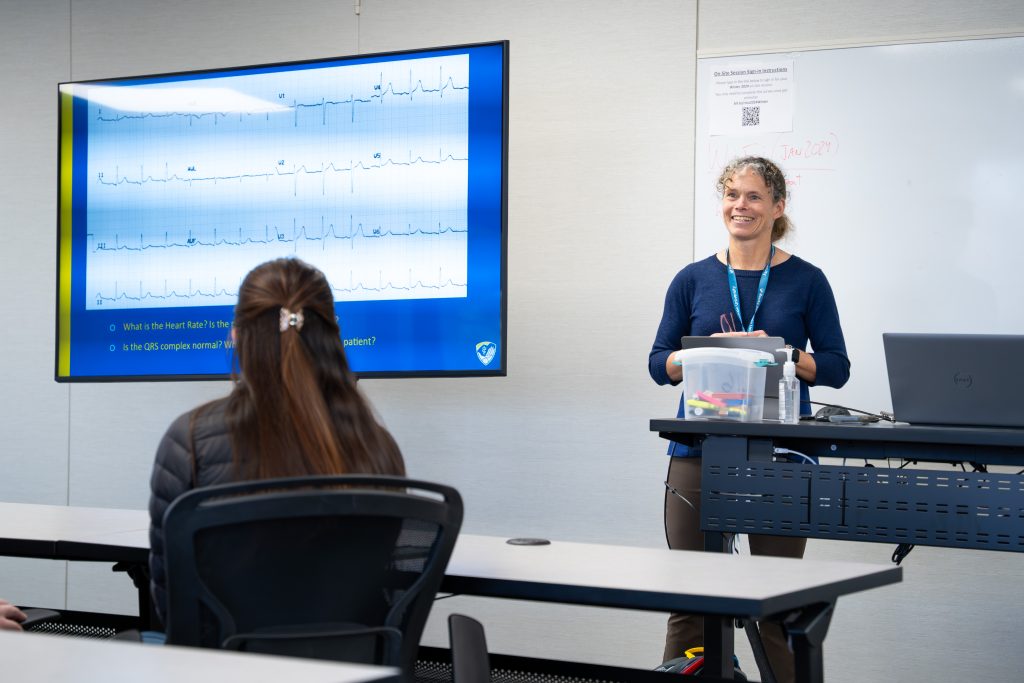
How RMU is Addressing the Nursing Faculty Shortage
Rocky Mountain University of Health Professions (RMU) is working to address the shortage by preparing the next generation of faculty through its flexible doctoral programs. By offering both the Doctor of Nursing Practice (DNP) and the PhD in Health Sciences, RMU gives students multiple pathways to advance their education and position themselves as future educators.
The flexibility of these programs—delivered through a hybrid format—makes doctoral study accessible to students who are often juggling work, family, and clinical responsibilities. This format allows more nurses to pursue advanced degrees without stepping away from their professional or personal commitments.
Students as the Solution
From the student perspective, RMU’s programs are not just about earning a degree—they are about building opportunities. Every student who completes a doctoral program represents progress toward solving the nursing faculty shortage. By stepping into faculty and leadership roles, these graduates will expand classroom capacity, mentor the next generation of nurses, and strengthen the profession as a whole.
RMU Students Leading the Way
Ebony Henley, PhD in Health Sciences Student
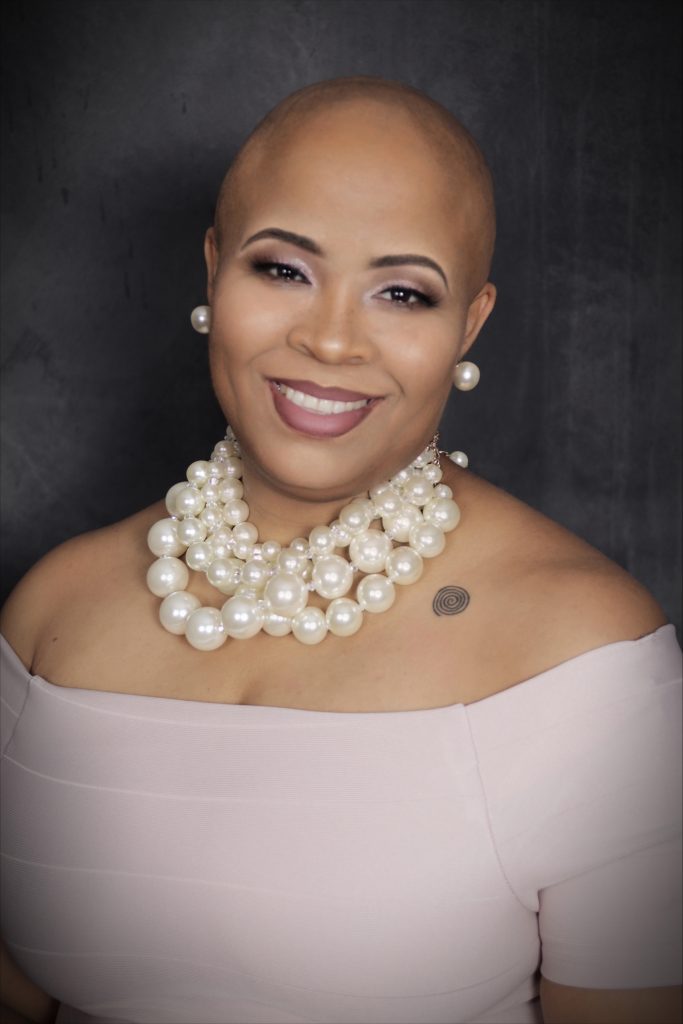
One example is Ebony Henley, a current RMU PhD student and pediatric registered nurse with more than 20 years of experience across specialties, including behavioral and mental health, school nursing, ambulatory care, and quality improvement. Her background also includes adjunct faculty appointments, nurse training, and program development for both students and professionals.
“Completing my PhD will provide the advanced research training, theoretical foundation, and academic preparation needed to effectively transition into teaching full-time,” Henley said. “Beyond my clinical, adjunct faculty, and leadership experiences, this degree strengthens my ability to contribute to nursing education through evidence-based instruction, mentoring, and scholarship. It will also position me to develop innovative curricula that integrate both wellness and clinical excellence to better prepare the next generation of nurses.”
Henley chose RMU for its interdisciplinary approach and supportive academic environment.
“RMU’s commitment to bridging research with practice and its emphasis on health and wellness education align perfectly with my passion for advancing nursing education and promoting wellness across diverse populations,” she said.
In addition to her professional and academic accomplishments, Henley founded a nonprofit youth mentoring organization and a health and wellness consulting company—work that has honed her skills in curriculum design, leadership, and teaching diverse audiences. Her journey reflects how RMU students are transforming the nursing landscape through scholarship and service.
Ashley Carruthers, PhD in Health Sciences student
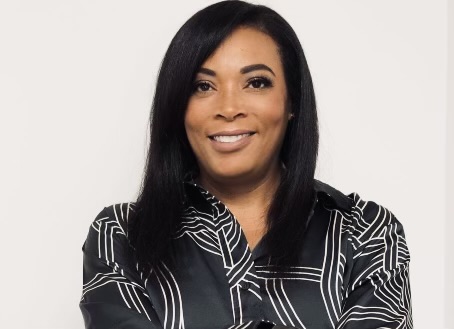
Ashley Carruthers, a nurse practitioner and educator, also represents the growing number of RMU students preparing to address the faculty shortage. She has extensive experience across a variety of healthcare settings, including primary care, remote and rural health, episodic care, spine clinic, and private practice.
“I chose Rocky Mountain University of Health Professions because of its flexibility in teaching strategies and commitment to supporting working professionals,” Carruthers said. “RMU offers an ideal balance between academic rigor and practical accessibility, allowing me to continue advancing in my professional role while pursuing my lifelong goal of earning a terminal degree.”
Carruthers noted that the PhD program’s comprehensive and well-rounded curriculum aligns perfectly with her professional interests—particularly in research development, teaching and learning, and health and wellness.
Currently serving as an instructor in the Nurse Practitioner program at the University of Manitoba, Carruthers said the PhD program at RMU is helping her fulfill a lifelong passion for education.
“Teaching has always been something I aspired to, even as a child,” she said. “My nursing career has given me countless opportunities to share knowledge, guide peers, and engage in collaborative learning. Those experiences reaffirmed that education is where I truly belong.”
“The program’s emphasis on scholarly research and academic leadership directly supports my goals of advancing into higher academic ranks, including achieving professorship,” she continued. “The skills and knowledge I am gaining through RMU’s curriculum will enable me to contribute meaningfully to research within my current role and position me for tenure and promotion.”
Educating Tomorrow’s Nurses
As the AACN notes, without more doctoral-prepared nursing faculty, universities will continue to turn away qualified students, deepening the workforce crisis. RMU’s commitment to equipping healthcare professionals with the tools to teach, lead, and innovate directly addresses this challenge.
By empowering its doctoral students to step into academic and leadership roles, RMU is helping ensure that tomorrow’s nursing students have access to the training, mentorship, and classroom experiences they need to thrive.
Reference
American Association of Colleges of Nursing (AACN). (2024). Nursing Faculty Shortage Fact Sheet. Retrieved from https://www.aacnnursing.org/Portals/0/PDFs/Fact-Sheets/Faculty-Shortage-Factsheet.pdf