To help shed light on the many awareness celebrations and heritage days that enrich our culture, students and staff on the Authentic Inclusive Committee (AIC) at Rocky Mountain University of Health Professions will regularly highlight different topics in this Inclusivity Blog.
This post includes stories on the following commemorations happening in July:
National Minority Health Awareness Month
National Cleft and Craniofacial Awareness and Prevention Month
French-American Heritage Month
National Disability Independence Day
Disability Pride Month
By Alan Gravano
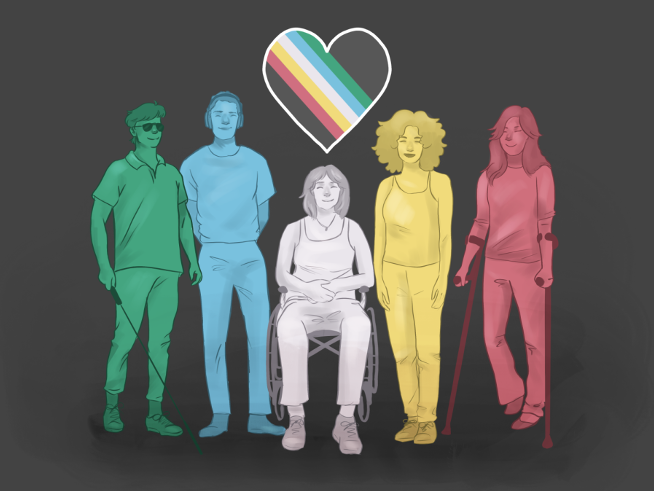
Disability Pride Month is an annual observance each July that celebrates disability identity, culture, and leadership while honoring the ongoing fight for equal rights and inclusion. The month is tied to a landmark moment in civil rights history: the signing of the Americans with Disabilities Act (ADA) on July 26, 1990. ADA legislation made it illegal to discriminate against people with disabilities in employment, public services, transportation, and public accommodations. Across the country, communities mark the month with festivals and parades, a tradition that began in Chicago with the first Disability Pride Parade in 2004.
National Minority Mental Health Awareness Month
By Matthew Hoang
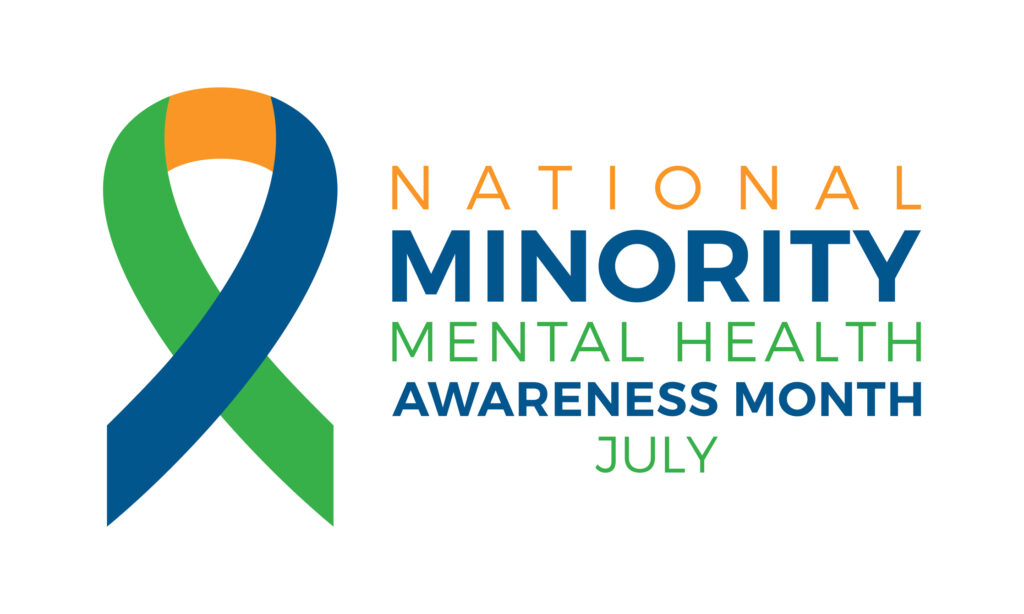
Every July, the United States recognizes National Minority Mental Health Awareness Month, a time dedicated to raising awareness about the unique mental health challenges faced by racial and ethnic minority communities. The month honors Bebe Moore Campbell, a mental health advocate who worked to improve access to care and reduce stigma surrounding mental illness.
Mental health is an important part of overall health. It affects how we think, feel, cope with stress, and interact with others. However, many individuals from minority communities face additional barriers when seeking mental health care. These barriers may include stigma surrounding mental illness, limited access to culturally competent providers, language differences, financial challenges, and a lack of trust in the healthcare system.
Research shows that individuals from minority groups often experience higher rates of anxiety, depression, post-traumatic stress disorder (PTSD), and other mental health conditions. Despite these challenges, they are less likely to receive mental health treatment compared to non-Hispanic White individuals. For example, the FDA reports that African American adults and Asian Americans have historically accessed mental health services at lower rates, often due to barriers such as stigma and reduced access to care.
We can help address these disparities by promoting mental health awareness, encouraging open conversations, and supporting equitable access to care. Small actions, such as listening without judgment, checking in on others, and sharing available resources, can make a meaningful impact.
This month reminds us that mental health care should be accessible, inclusive, and equitable for everyone.
Need support? Call or text 988 for the Suicide & Crisis Lifeline.
Sources:
https://www.cdc.gov/minority-health/features/minority-mental-health.html
National Cleft and Craniofacial Awareness and Prevention Month
By Danika Forsgren
July is the recognized month for Cleft and Craniofacial awareness and prevention. About 2,600 babies born each year in the United States are diagnosed with a cleft palate and 4,400 babies are born with a cleft lip, according to the Centers for Disease Control and Prevention.
Kids who are born with these deficits normally have associated impairments such as difficulty with feeding and speech and many others.
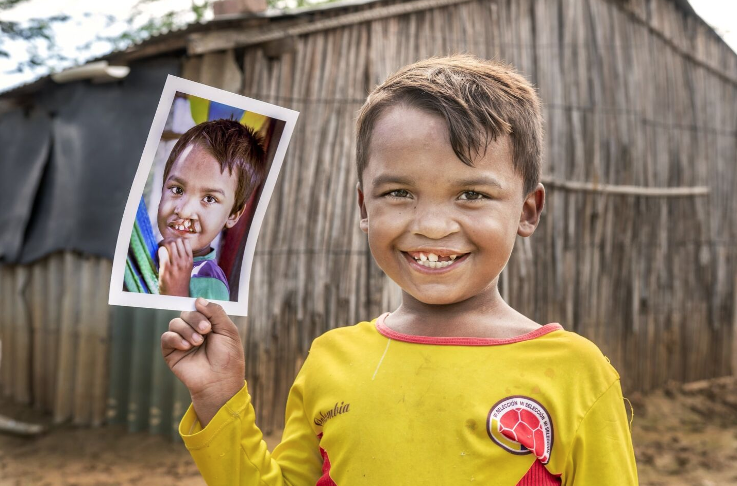
The best way to prevent babies from being born with an orofacial cleft or another craniofacial condition, is for women who are thinking of becoming pregnant should commit live a healthy lifestyle. This includes things such as controlling diabetes and quitting smoking. Physicians’ advice during pregnancy can also be helpful in aiding prevention and treatment.
French-American Heritage Month
By Charli Purser

France and the French have had a significant impact on American culture and history, from historical figures to the names of cities, to popular food and fashion. According to National Today, the purpose of French-American Heritage Month is to “dedicate the entire month of July to celebrating and honoring the immense influence that the French have had on the United States in terms of laws, art, culture, language, and social etiquette.” This July, celebrate by getting involved with the Alliances Francaise Federation USA and their events, find out why you should learn French or do a deeper dive into French-American history at the French Heritage Corridor.
UV Safety Awareness Month
By Nick Wells
While UV may be good for getting tan, it also poses real risks that every program at RMU should be aware of. Look below to see how UV exposure relates to the field you are in:
Optometry
Those with aphakia are more vulnerable to UV retinal damage because the eye’s natural protective filter, the lens, has been removed.
Physician Assistant and Nursing
Early recognition of skin cancer due to UV radiation is crucial to improving outcomes by allowing patients to be diagnosed and receive treatment earlier. These professionals have a crucial role in preventive medicine and teaching tactics, such as appropriate sunscreen use and self-examinations
Physical Therapy
Many physical therapy programs have patients spend time outdoors during rehabilitation and certain exercise programs. Taking proper precautions for that match under certain conditions is key in patient success and health.
Occupational Therapy
Occupational therapists help patients develop and maintain safe daily habits, including strategies to manage UV exposure while maintaining independence and participating in meaningful activities.
Speech-Language Pathology
Skin cancer due to UV exposure contributes to lip cancers and certain head and neck malignancies that can affect speech, swallowing, and quality of life.
Counseling
Sunlight can positively influence mood and well-being, so counseling professionals have a vital role in helping patients balance these benefits while staying protected from the harmful effects.

Who is at risk for damage due to UV exposure:
To protect itself from the damaging effects of UV radiation, our skin produces a brown pigment called melanin. This melanin helps reduce sun damage and is responsible for a suntan. So those who lack melanin tend to be the most vulnerable:
- Those who have lighter skin and blue eyes
- Those who are on photosensitizing drugs
- Those with albinism
- Note: Everyone, regardless of the amount of melanin, can receive unwanted side effects of UV exposure
What are the risks of UV exposure?
- Skin cancer
- Actinic keratosis (a pre-cancerous skin condition)
- Pre-mature Aging
- Cataract formation
- Solar lentigines
- Immune system weakening
In short, UV exposure poses a risk that we will encounter in our future careers; it is important for us to know the risk and the susceptible populations.
Source:
www.mayoclinic.org/diseases-conditions/sunburn/in-depth/sun-damage/art-20546834
SAD Awareness Day (July 24)
By Peter Aldana
Seasonal Affective Disorder (SAD): More Than the “Winter Blues” – Peter Aldana
What Is SAD?
Seasonal affective disorder, or SAD, is a form of depression that follows a recurring seasonal pattern. It most often begins during fall or winter and improves during spring, although some people experience summer-pattern SAD. Symptoms may include persistent sadness, low energy, difficulty concentrating, changes in sleep or appetite, and loss of interest in usual activities. (National Institute of Mental Health)
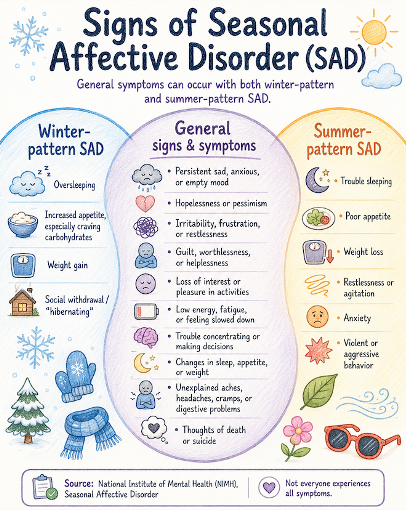
National Institute of Mental Health
Why It Matters
SAD is more serious than occasionally feeling down during colder or darker months. Symptoms can interfere with work, school, relationships, self-care, and other daily activities. Because the pattern may return each year, recognizing symptoms early can help people seek support before their functioning declines. (American Psychiatric Association A) (American Psychiatric Association B)
What You Can Do
Pay attention to seasonal changes in mood, energy, sleep, appetite, and participation in daily activities. Healthy routines to support mental well-being can include regular restful sleep, physical activity, time outdoors, balanced meals, and social connection. However, persistent or disruptive symptoms should be discussed with a health care or mental health professional. Treatment options may include psychotherapy, light therapy, antidepressant medication, and other individualized approaches. (National Institute of Mental Health)
Anyone experiencing suicidal thoughts or severe emotional distress can call or text ‘988’ for immediate support in the United States. (Substance Abuse and Mental Health Services Administration, 2025)
References
American Psychiatric Association A. (n.d.). Seasonal affective disorder (SAD). https://www.psychiatry.org/patients-families/seasonal-affective-disorder
American Psychiatric Association B. (n.d.). Lifestyle to support mental health. https://www.psychiatry.org/patients-families/lifestyle-to-support-mental-health
National Institute of Mental Health. (n.d.). Seasonal affective disorder. U.S. Department of Health and Human Services, National Institutes of Health. https://www.nimh.nih.gov/health/publications/seasonal-affective-disorder
Substance Abuse and Mental Health Services Administration. (2025). 988 Suicide & Crisis Lifeline. U.S. Department of Health and Human Services. https://www.samhsa.gov/mental-health/988
National Disability Independence Day (July 26)
By Alan Gravano
National Disability Independence Day is observed annually on July 26 in the United States, marking the anniversary of the Americans with Disabilities Act (ADA) being signed into law in 1990. The ADA stands as a landmark civil rights achievement, prohibiting discrimination against people with disabilities and affirming their right to full participation in public life.
World Hepatitis Day (July 28)
Let’s Break the Silence, Fight Hepatitis Together!
By Paul Antaby
Every year on July 28, the world comes together to observe World Hepatitis Day, a global campaign focused on raising awareness about hepatitis, a disease that silently impacts millions. This date honors Dr. Baruch Blumberg, the scientist who discovered the hepatitis B virus and developed the first vaccine, marking a significant milestone in public health history.

What Is Hepatitis?
Hepatitis is the inflammation of the liver, primarily caused by viral infections. The main types, A, B, and C, vary from mild illnesses to severe, lifelong conditions. Symptoms often go unnoticed, which is why hepatitis is referred to as a “silent disease.”
Key Facts
- Millions of people live with hepatitis without knowing it.
- Hepatitis B and C are the most serious forms, potentially leading to:
- Liver cirrhosis
- Liver cancer
- Death if untreated
- Many cases are preventable or treatable with timely medical care.
How You Can Participate
- Get tested and vaccinated if applicable.
- Raise awareness on social media.
- Support health campaigns and organizations.
- Practice safe hygiene and health habits.
- Educate others about risks and prevention.
Prevention Tips
- Use clean needles and avoid sharing personal items.
- Ensure safe food and water (especially for hepatitis A & E).
- Practice safe sex.
- Get vaccinated for hepatitis A and B.
- Seek regular medical checkups.
How Students Can Make a Difference
- Small actions can lead to significant change:
- Stay informed and raise awareness.
- Wash your hands regularly and maintain good hygiene.
- Avoid sharing razors or toothbrushes.
- Encourage family members to get tested and vaccinated.
- Support awareness campaigns both online and in schools.
Goals of World Hepatitis Day
- Raise awareness about hepatitis and its effects.
- Promote prevention, testing, and treatment options.
- Encourage vaccination, particularly for hepatitis B.
- Work to reduce the stigma associated with the disease.
- Support global initiatives aimed at eliminating hepatitis.
Our Message
Let’s use our voices to break the stigma and support those affected. Through education and awareness, we can help eliminate hepatitis and protect our communities.
Together, we can create a healthier tomorrow.
#WorldHepatitisDay #StayHealthy #StudentVoices #HealthAwareness #EndHepatitis
Sources
World Health Organization (WHO): World Hepatitis Day
Centers for Disease Control and Prevention (CDC): Viral Hepatitis
World Hepatitis Alliance: Campaign Resources
Student Contributors:

Not pictured:
Alan Gravano, Nick Wells, Danika Forsgren