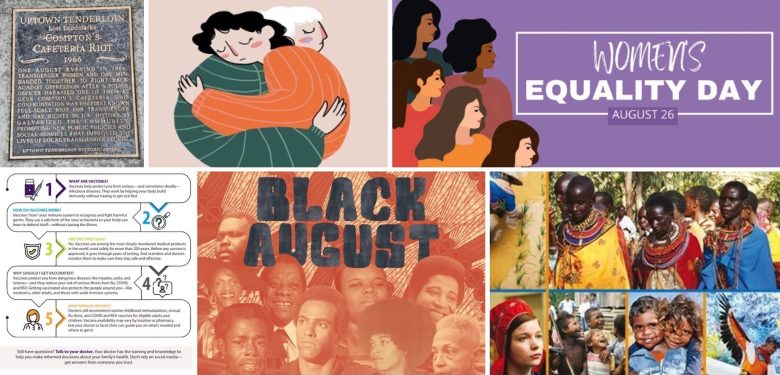
To help shed light on the many awareness celebrations and heritage days that enrich our culture, students and staff from the RMU Authentic Inclusive Committee (AIC) will regularly highlight different topics in this Inclusivity Blog.
Our inaugural post includes touching thoughts and stories on the following:
- Two RMU optometry students who survived cancer
- Insight into Juneteenth
- Puerto Rican Day Parade
- Pride Month
- World Refugee Day
- African American Music Appreciation Month
- National Caribbean American Heritage Month
National Cancer Survivors Day (June 7)
Q&A: How Cancer Affected Two RMU Optometry Students
By Salvin Salim Sandrock
With June 7 being National Cancer Survivors Day, we want to honor the strength and resilience of those affected by cancer while raising awareness about the importance of prevention, early detection, and continued research. Cancer is a disease in which abnormal cells grow uncontrollably and can spread to other parts of the body through the blood or lymphatic system, affecting normal body function. It impacts millions of individuals and families worldwide, but advancements in medicine and community support continue to bring hope. Many of our fellow students have been affected by the disease personally, whether through having it themselves or through a family member.
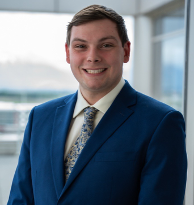
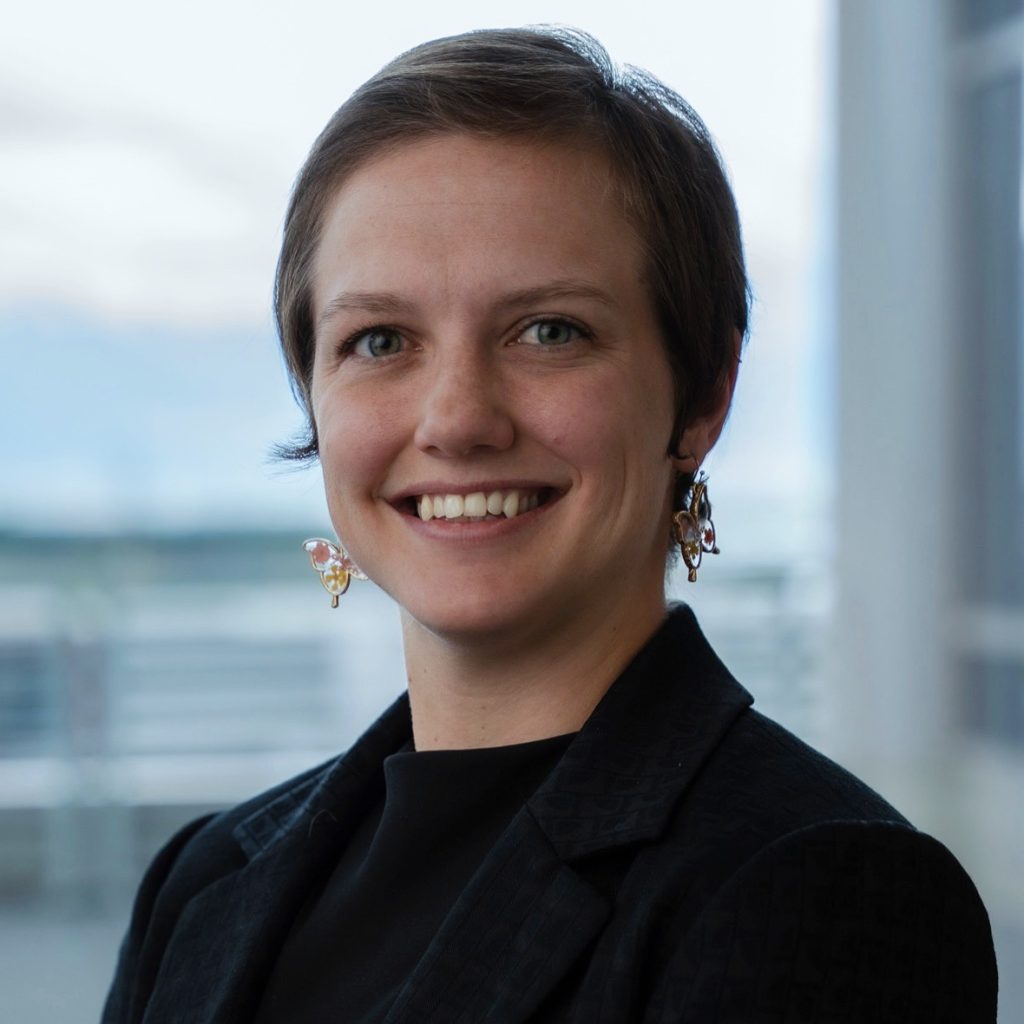
I had the privilege of interviewing two classmates from RMU’s College of Optometric Medicine, Summer Taube and Broc Smith, about how cancer affected their lives.
What was one of the hardest parts of your cancer journey, and what helped you get through it?
Summer: “I think one of the hardest parts of my cancer journey was the idea of going to treatments. I knew that they were helping me get better, but at the same time, they made me feel so much worse. The drugs they give you are so toxic that they told me, ‘If you sweat at the gym, make sure to wipe down equipment before anyone else uses it, just because it can make others sick.’ Still to this day, thinking about the cancer drugs gives me the ‘ick’ and makes me physically cringe. The thing that got me through it was my support system—friends and loved ones. On my bad days, which were usually right after treatment, my boyfriend would drive me home and take care of me through it. It would have been much harder without the amazing people I have in my life.”
Broc: “Doing treatments and not being able to play basketball at the time was awful. I was basically put on house arrest, so it was super boring/lonely at times.”
Did your experience with cancer change the way you view life or your future goals?
Broc: “Yes, I live life in the moment now more than ever because you never know when it will be your last day.”
Summer: “Personally, I think my cancer journey just solidified the goals I had set in my life. I was in the process of studying for my entrance test for optometry school when I got my diagnosis. Cancer solidified how short life really can be, and to take your chances while you have them. I also didn’t want cancer to slow me down/set me back in any way. So, I kept studying for my test and took it while I was still going through my treatments. I even interviewed and got into optometry school!”
Who or what gave you the most support/hope during treatment and recovery?
Summer: “My family was very proactive and started a GoFundMe right when they found out. I think they just wanted to help me in any way they could, especially since they all lived out of state. It was really amazing to see the amount of love and support I got from the internet. It really reminded me of how kind people are and how loved I am.”
Broc: “My family and my basketball team really helped me through that time and pushed me to make it through to see the light at the end of the tunnel.”
What is something you wish more people understood about living with cancer?
Broc: “I wish people could see how hard it affects your body, not just physically but mentally. It takes an enormous toll that is hard to regain after it’s all said and done.”
Summer: “I wish more people understood how draining having cancer can actually be. The treatments take hours of your life, and the aftereffects take even more. Fortunately for me, my cancer treatment only took six months. Others aren’t quite as lucky. However, six months is still half a year of my life that cancer tried to interrupt. I did my best to make sure it didn’t, but it still took a toll. I had to make sure I was in town every two weeks because I couldn’t miss my treatment. My Friday was booked with blood draws, doctor’s appointments, and chemotherapy. Friday afternoon and Saturday were spent on the couch or in bed because of how bad I felt. While I put a brave face on for the world, I still wouldn’t feel completely like myself for work most Mondays. I hope people understand that for some, this diagnosis can completely disrupt their whole life.”
What advice would you give to someone who was recently diagnosed with cancer?
Summer: “Find your support system. It could be with loved ones, a therapist, or in online groups (I am in a Facebook group myself). Knowing you are not alone is probably the best feeling you can have when going through something like this. However, I would also be cautious. Don’t compare your cancer journey to anyone else. What you are going through is unique to you. Be kind to yourself.”
Broc: “It’s okay to be afraid/uncertain, just know that you have support from those around you and believe in yourself that this is just a roadblock in your life journey.”
What was it like balancing everyday life, school, or work while going through treatment?
Broc: “I didn’t have to balance school or work because I couldn’t be around anybody. I just took a year off of everything to focus on getting better.”
Summer: “I feel very lucky with my treatment. I only had to go in once every two weeks, but it would often take 5-6 hours. I coordinated with my work and the hospital, so I always had treatment on Friday, allowing me to have the weekend to recover and go back to work on Monday. For me, my worst day was the night of treatment and the day after. I’m usually a very social and active person, but on those days, you would find me stuck in bed. However, I tried my best to make sure that cancer disrupted my life as little as possible, and this is where I also feel very lucky. For me, I usually felt well enough that by Sunday I was able to play in my adult league soccer games. Monday, though tired, I was always able to make it to work. By the second week, I usually started to feel like myself again, but of course, it was always just in time for the next treatment.”
What advice would you give to people about cancer awareness or early detection?
Summer: “One important thing I would say about awareness and detection is to trust your gut. No one knows you, your norms, or your body better than yourself. My biggest example was when I was first trying to figure out what was going on. I had a huge lump in my neck, and it was only getting bigger. This triggered me to find a doctor. He sent me to get a CT scan, which led to a biopsy, which turned out negative the first time. The doctors told me that they didn’t know what it was, but it did not look cancerous, and they sent me away. After a couple of months, I knew something wasn’t right. I went to a new doctor and started the process again. This time, the result was yes, it is cancer. If I didn’t push myself to go back to the doctor and find out what was going on, my prognosis could have been much worse.”
Broc: “Catching it early can save your life. Don’t be stubborn about going to the doctor because I was one of those people. Trust what your body feels, you could regret it.”
What are some challenges cancer survivors still face after treatment ends?
Broc: “Your body goes through this crazy change. I have had stuff happen to me that had never happened before, and I have to just get used to some of those things now.”
Summer: “As a cancer survivor, the journey is never really over. Though I am in remission now, there is always a chance it may come back, and it does for many. I am currently checking in with my doctor every six months for monitoring. Having a cancer diagnosis in your medical history is a forever thing.”
What does being a cancer survivor mean to you personally?
Summer: “I feel ambivalent about being a cancer survivor. Of course, if it were my choice, I would never have chosen to have gotten cancer. However, I do wear being a cancer survivor with pride. I am proud of how well I handled my treatments and of overcoming adversity. For this reason, being a cancer survivor comes with mixed emotions.”
Broc: “It just means that I was blessed enough to see another day. Beating the cancer doesn’t mean that much as a whole, just happy I keep living in God’s great creation.”
How can communities better support people affected by cancer?
Broc: “Just giving them your support physically and emotionally goes a long way. We just want people to be in our corners cause it makes the journey less lonely and easier to fight.”
Summer: “I wish there were a way to make cancer treatments/screenings and testing free for all of those affected by cancer. I think back to the start of my journey and remember when they told me the price of a CT scan. I hated that my first thought was being worried about the price of it all, instead of the possible diagnosis and illness I was going through. People with cancer have a lot on their plates already. There are ample programs available that do offer help. I just wish that, as a society, we could find a way to make sure these individuals didn’t have to pay at all and only had to focus on getting better.”
Salvin: “I want to thank Summer and Broc for taking the time to answer these questions and giving us an insight into the different aspects of being a cancer survivor. National Cancer Survivors Day serves as a reminder to support patients, survivors, caregivers, and healthcare professionals in the fight against cancer and to encourage everyone to prioritize their health and regular screenings.”
Juneteenth (June 19)
By Matthew Hoang
Juneteenth, observed annually on June 19, commemorates the day in 1865 when Union soldiers arrived in Galveston, Texas, and announced that enslaved African Americans were free, more than two years after the Emancipation Proclamation had been issued. Often referred to as America’s “Second Independence Day,” Juneteenth marks a significant milestone in the nation’s history and the end of slavery in the United States. The holiday is important because it encourages us to learn about the struggles and achievements of African Americans, reflect on the ongoing pursuit of equality and civil rights, and recognize how understanding history helps build a more informed and inclusive society. For more information, visit the National Museum of African American History & Culture’s website.
National Puerto Rican Day Parade (Second Sunday in June)
By Charli Purser
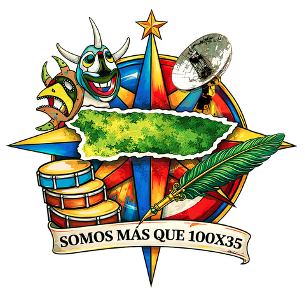
The National Puerto Rican Day Parade is a celebration of Puerto Rico’s history, culture, and contribution to society. This year’s celebration will be the 69th of its kind, and is based on the activism of New York City’s Puerto Rican community in the 1950’s. The parade “promotes culture, the arts, and education” and “offers special tributes to historical figures and highlights key issues to raise awareness of crucial problems and causes affecting the community,” according to nbcnewyork.com. This year’s theme, “Somos Más Que 100×35,” is a historical Puerto Rican sentiment referenced by Bad Bunny during his Grammy acceptance speech in 2026. The theme means that “the greatness of Puerto Rico and its people is not confined to the island’s dimensions (100×35 miles), but lives in the immeasurable achievements, cultural influence, and global impact felt around the world,” per the parade’s website. The parade will be streamed on Telemundo 47 at 10 a.m. MT on Sunday, June 14.
World Refugee Day (June 20)
By Matthew Hoang
World Refugee Day is observed each year on June 20 and was established by the United Nations to recognize and support people forced to flee their countries due to conflict, persecution, violence, or human rights violations. Millions of people around the world are currently displaced from their homes, with many living in temporary shelters or refugee camps while seeking safety and stability. This day encourages communities to learn about the causes of displacement, the challenges refugees face in accessing education and healthcare, and the importance of empathy, human dignity, and global support. Learn more: https://www.un.org/en/observances/refugee-day
Pride Month
By Charli Purser
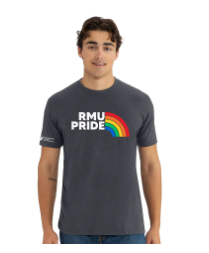
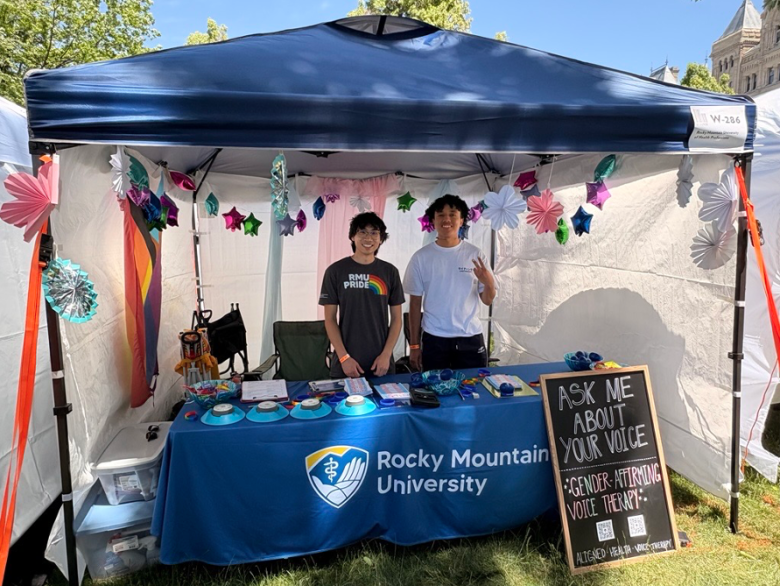
HAPPY PRIDE! In honor of Pride Month, RMU’s Authentic Inclusive Committee (AIC) is hosting a panel discussion to raise awareness and explore issues of healthcare in the LGBTQIA+ community. The panel will feature five healthcare professionals with experience working with the LGBTQIA+ community in different areas. Panelists will include RMU’s Dr. Bryan Gee (occupational therapy), Dr. Donnie Akers (optometry), and Dr. Wendy Chase (speech-language pathology); Dr. Christy Kane, CEO of Kane Counseling Services; and Kasey Butler, a gender-affirming speech-language pathologist. The event will be held from 5-6:30 p.m. MT on Tuesday, June 23, in the Skurja Lake View Room (Tower, 8th Floor). We invite you to bring your friends and family to this event to celebrate Pride, enjoy refreshments, and have a wonderful and enlightening discussion! Submit anonymous questions for our panelists and RSVP using this form.
Also:
- Purchase an RMU PRIDE T-shirt at the RMU Store or online.
- Visit RMU’s sponsored booth at the Utah Pride Festival in Salt Lake City from June 6-7. Come say hi to Kasey Butler.
African American Music Appreciation Month
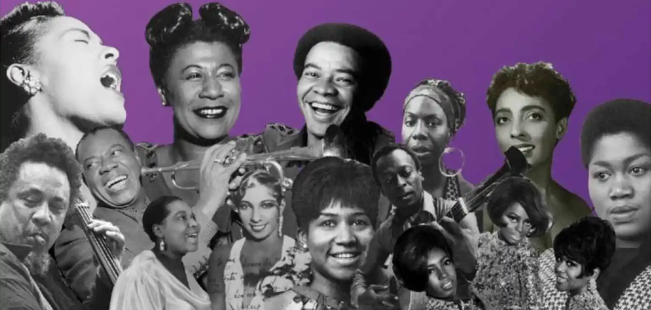
(Graphic: Good Black News)
By Charli Purser
Every June, African American Music Appreciation Month (a.k.a. Black Music Month) celebrates the influence and contributions of African American musicians to the culture of America and the whole music industry, starting from roots in sacred music. Read more about it here: Black Music Month – National Today. You can also watch this “Made in Texas” documentary to learn more or listen to playlists featuring black artists put together by Marlon West of Good Black News on his “Music Monday” series, found here: Playlists – Good Black News“
National Caribbean American Heritage Month
By Dr. Courtney Moore
Initially recognized in 2006 by President George W. Bush, this month-long celebration takes place each June and focuses on the contributions of the people of Jamaica, Puerto Rico, Dominican Republic, Haiti, Barbados, Bahamas, Trinidad and Tobago, and others. Celebrations are enjoyed through food, music, dance competitions, exhibitions and educational events.
Inclusivity Blog student contributors include: