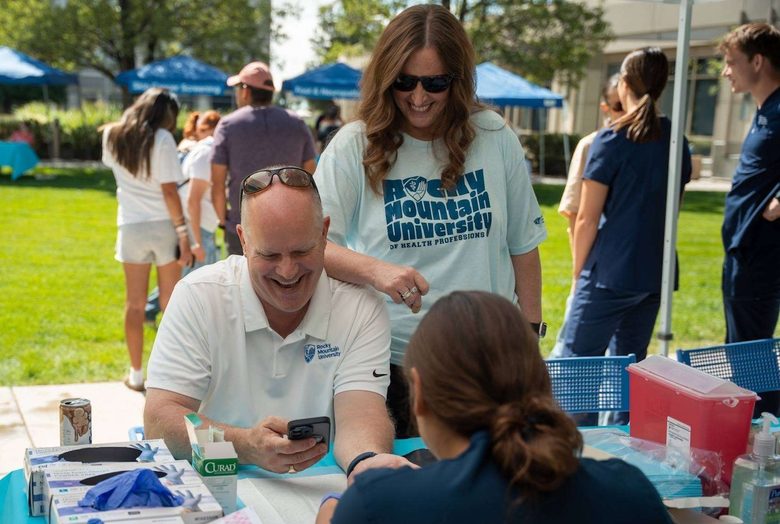
To shed light on culture-enriching awareness celebrations and heritage days, students and staff on the Authentic Inclusive Committee at Rocky Mountain University of Health Professions will regularly highlight different topics in this Inclusivity Blog.
This post includes stories on the following commemorations happening in September:
- Patriot Day and 9/11 Remembrance
- National Hispanic Heritage Month
- International Day of Sign Languages
- National African Immigrant Heritage Month
- Suicide Awareness and Prevention Month
- National Childhood Cancer Awareness Month
- National Guide Dog Month
- National Prostate Health Month
- National Sickle Cell Awareness Month

Patriot Day and 9/11 Remembrance (Sept. 11)
By Melissa Jensen
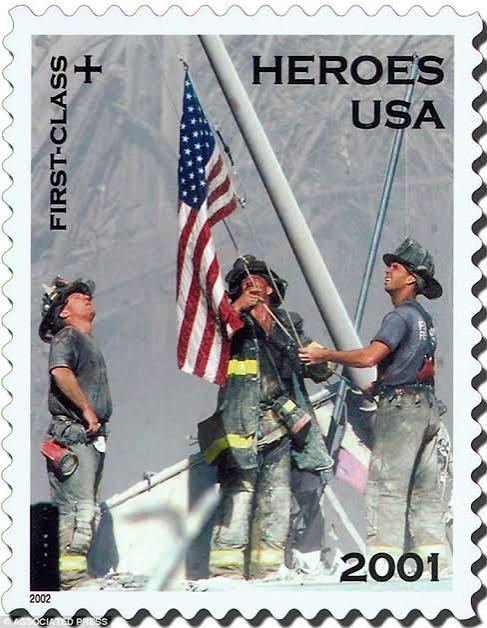
September 11, commonly known as 9/11 or Patriot Day, is a national day of remembrance for those who lost their lives in the terrorist attacks on the United States on the morning of Sept. 11, 2001. It remains the deadliest attack on American soil.
Hijacked planes struck the Pentagon in Washington, D.C., and the World Trade Center in New York City. A fourth plane crashed in Pennsylvania after passengers attempted to retake control. All of the aircraft were down before 10:15 a.m. Fires engulfed the Twin Towers, and approximately 3,000 people died that day, including people working in the buildings, passengers and crew on the flights, and first responders.
The attacks reshaped American life. Airport security was tightened, some fires at the site continued to smolder into 2002, and first responders and New York City residents later faced medical complications from ash and airborne contaminants. Less often discussed is the work of medical examiners. In “Working Stiff,” Judy Melinek describes receiving mostly fragments of remains and the difficult task of identification.
The World Trade Center site is now home to One World Trade Center, the National September 11 Memorial & Museum, and reflecting pools whose panels include the names of those killed on September 11, 2001, and in the February 1993 World Trade Center attack.
Ways to remember include flying the flag at half-staff, joining a 9/11 5K or stair climb of 110 stories in honor of first responders, or sharing a photo of the sky with the hashtag #NeverForget911.
Learn more from the National September 11 Memorial & Museum and Encyclopaedia Britannica’s overview of Patriot Day.
National Hispanic Heritage Month (Sept. 15–Oct. 15)
By Alan Contreras
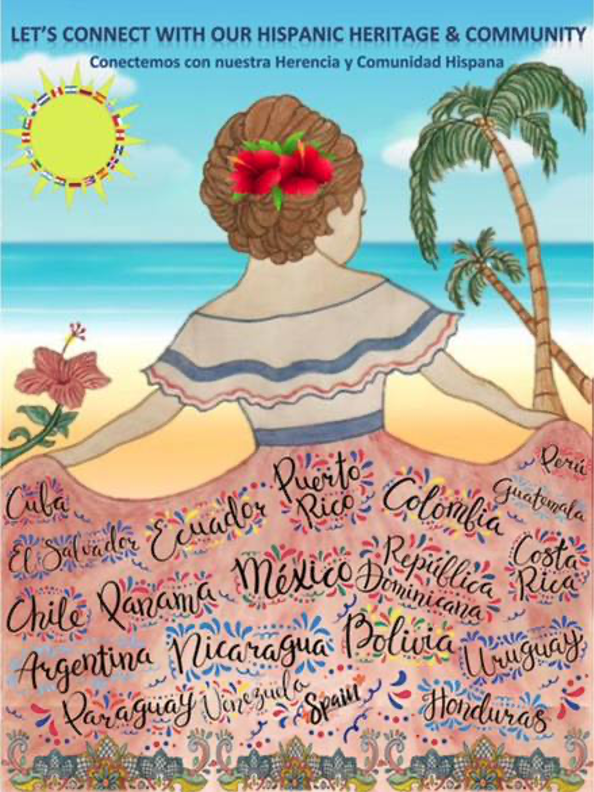
From Sept. 15 to Oct. 15, Hispanic Heritage Month highlights the cultures, histories, and contributions that have shaped the United States through art, traditions, food, advocacy, and more.
Hispanics and Latinos are people who identify as Spanish-speaking or who have roots in Mexico, Puerto Rico, countries in Central and South America, and other Spanish-speaking nations. The community numbers more than 60 million people, according to the 2020 U.S. Census, and represents about 18.9% of the U.S. population. Territorial changes after the Mexican-American War and the Spanish-American War, including the Treaty of Guadalupe Hidalgo and the Treaty of Paris, are part of how this history is woven into the country today.
The observance spans two calendar months because it includes several independence days. Then Vice President George H.W. Bush issued an early proclamation, later reinforced by President Reagan in 1988–1989.
Why it matters
Hispanic Heritage Month brings attention to parts of American history that are not always taught as fully as they should be. If the economic output of Hispanic and Latino communities were counted as that of an independent country, it would rank among the largest in the world. Dating back to the American Revolution, Hispanic and Latino people have played significant roles in building and strengthening American democracy. The month is a chance to learn about business owners, athletes, activists, artists, and everyday changemakers and to value their contributions in culture, food, and civic life.
How to celebrate
Celebration can be simple: try tacos, tamales, or pupusas; listen to artists such as Bad Bunny, Shakira, or Karol G; and notice how Hispanic roots already appear in many everyday American practices.
RMU students with Hispanic or Latino heritage should feel proud of that history. Hispanics and Latinos make up only about 9% of the healthcare workforce, so learning even a few Spanish phrases during this month can go a long way in patient care.
Key independence dates in September
- Sept. 15: Costa Rica, El Salvador, Guatemala, Honduras, and Nicaragua
- Sept. 16: Mexico
- Sept. 18: Chile
Learn more from the National Museum of the American Latino, Pew Research Center facts on Hispanic Americans and health care, and the National Council of Hispanic Employment Program Managers.
International Day of Sign Languages (Sept. 23)
By Matthew Hoang
September 23 marks International Day of Sign Languages, a day that celebrates deaf communities, sign languages, and the many ways people communicate around the world.
More than 70 million deaf people use more than 300 different sign languages worldwide. Globally, more than 1.5 billion people experience some degree of hearing loss, which underscores why accessible communication matters.
You can observe the day by learning a few basic signs, using captions, being patient in conversation, and asking how someone prefers to communicate.
Learn more from the United Nations International Day of Sign Languages page, the World Health Organization on hearing loss, and the World Federation of the Deaf.
National African Immigrant Heritage Month
By Bailey Dalton
September is National African Immigrant Heritage Month, an opportunity to honor the histories, cultures, and experiences of African immigrants in the United States and to recognize the diversity and ongoing contributions of these communities.
African immigrant communities represent many countries, cultures, ethnicities, and languages. Recognizing that diversity helps us understand unique identities and stories rather than treating “African immigrant” as a single experience.
Why this is important
Representation and inclusion begin with understanding. African immigrants have made meaningful contributions across healthcare, education, business, the arts, and many other fields. Learning about those contributions can challenge stereotypes, increase cultural awareness, and build more inclusive communities. For people who do not share this heritage, the month is an invitation to listen and learn.
How to participate
Learn about the cultures of different African countries, read work by African and African immigrant authors, attend cultural events, and listen to the experiences of African immigrants themselves. Taking time to listen is one of the most direct ways to honor the month.
Learn more from the San Diego Immigrant Rights Consortium and coverage of efforts to formally recognize the month, including a resolution introduced by Reps. Torres and Clarke.
Suicide Awareness and Prevention Month
By Charli Purser
In honor of Suicide Awareness and Prevention Month, RMU’s Authentic Inclusive Committee will hold a panel discussion on Thursday, Sept. 19, from 12–1 p.m. MT on Zoom. Panelists will share their experiences with loss to suicide or with suicidal ideation and attempts, and they will discuss takeaways from training by the Zero Suicide Alliance.
The AIC invites everyone in the RMU community to spend one hour completing this free training to build suicide awareness and prevention skills. Together, we can make a difference and save lives.
Please be mindful of your own well-being and sensitive to others as you engage with this topic. If you are currently experiencing suicidal ideation or thoughts of self-harm, call or text the Suicide & Crisis Lifeline at 988.
Social shareables and additional resources are available from the American Foundation for Suicide Prevention.
National Childhood Cancer Awareness Month
By Paul Antaby
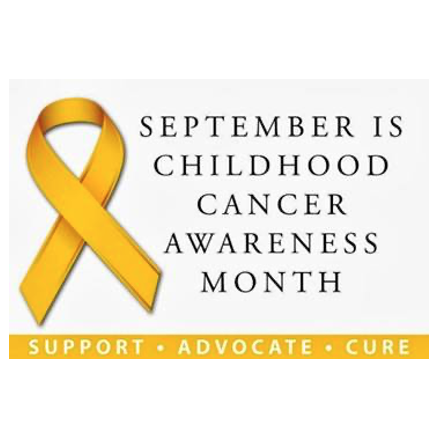
National Childhood Cancer Awareness Month, observed each September and represented by the gold ribbon, honors children in treatment, celebrates survivors, remembers those who have died, and recognizes the clinicians, researchers, and caregivers who advance pediatric cancer care.
Childhood cancers—including leukemias, brain tumors, lymphomas, sarcomas, and rare solid tumors—differ from adult cancers in biology, causes, and treatment response. They require specialized research and care models, according to the American Childhood Cancer Organization.
Survival rates have improved over recent decades, yet childhood cancer remains the leading cause of disease-related death among children in the United States, according to the National Cancer Institute. Many pediatric cancers still lack targeted therapies, survivors often live with long-term effects of treatment, and pediatric cancer research receives a smaller share of national funding than many adult cancers.
Ways to engage
Wear gold, share educational materials, and support fundraising for research and families. Healthcare organizations can host seminars, recognize patients and families, and run social media campaigns. Schools and community groups can organize toy drives or care packages. Advocacy and partnerships with organizations such as St. Jude Children’s Research Hospital and the Children’s Oncology Group help improve outcomes and quality of life.
This month is both a memorial and a call to action: better public understanding, family support, and research investment so children facing cancer receive the care, compassion, and scientific progress they deserve.
Additional data is available from the CDC’s childhood cancer statistics.
National Guide Dog Month
By Andréana (Andie) Cervantes, PhD Student, Pre-Optometry
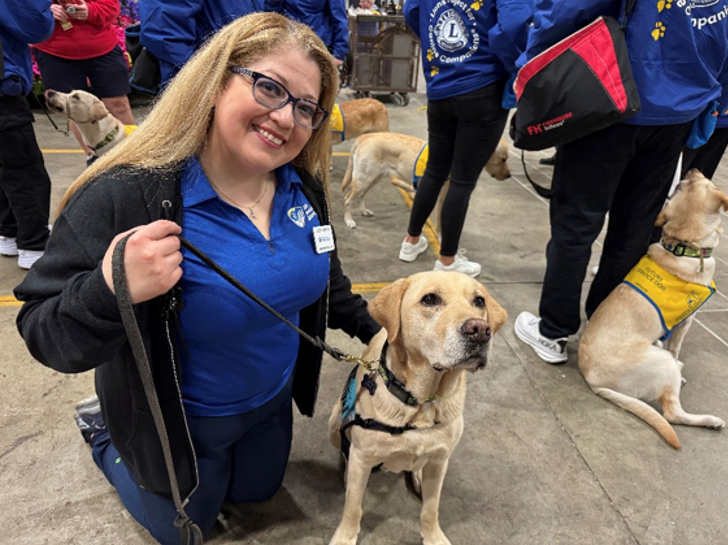
National Guide Dog Month was originally designated in May 2009 and later moved to September. The month honors the essential role guide dogs and other assistance dogs play in helping people stay independent, safe, and mobile.
Guide dogs assist people who are low-vision, becoming blind, or blind. Related working dogs may also support veterans with PTSD, children with autism, or people at risk of stroke or seizure. Training lasts months to years, and not every dog in training graduates. Dogs that do not graduate often become emotional support or facility dogs, including hospital visitors. Graduates are matched with handlers from a waiting list.
Guide dogs help people navigate curbs, paths, and obstacles while also offering deep emotional support. Always ask the handler before petting a working dog. Uninvited attention can break the dog’s focus and compromise safety.
I became involved through Lions Club International at the La Habra Host club, where my optometry mentor served as a Lion OD. Lions Club partners with Canine Companions and Guide Dogs of America, raises funds, and builds awareness through the Lions Club float in the Tournament of Roses Parade. You can also sponsor a puppy or train with Guide Dogs of America or Canine Companions.
Learn more from National Today and Envision’s guide to etiquette and facts.
National Prostate Health Month
By Peter Aldana
National Prostate Health Month takes place every September. It raises awareness of prostate health and conditions such as prostate cancer, benign prostatic hyperplasia (BPH), and prostatitis. The prostate is a small gland in the male reproductive system, located below the bladder and in front of the rectum (National Cancer Institute; Cleveland Clinic).
Why it matters
Prostate problems become more common with age. Prostate cancer is the most common cancer among men in the United States after skin cancer. About 1 in 8 men will develop prostate cancer during their lifetime, according to the American Cancer Society. Risk is higher for older men, men with a family history, and Black men, who are more likely both to develop prostate cancer and to die from it.
A prostate-specific antigen (PSA) blood test can show changes in the prostate. Men should talk with a healthcare professional about personal risk and screening choices before testing, consistent with U.S. Preventive Services Task Force guidance.
How to get involved
- Get tested or help someone get tested. ZERO Prostate Cancer lists free and low-cost screening locations
- Wear light blue and share trusted information
- Encourage friends and family to talk with a clinician
- Support educational events, walks, and research
- Use regular healthcare visits as a time to discuss prostate health
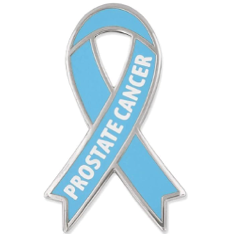
A light blue ribbon is commonly used for prostate cancer and prostate health awareness.
National Sickle Cell Awareness Month
By Paul Antaby
National Sickle Cell Awareness Month, observed each September, is a federally recognized effort to increase public understanding of sickle cell disease (SCD), a hereditary blood disorder first formally described in Western medical literature in 1910.
SCD causes red blood cells to become rigid and sickle-shaped. Those cells can block blood flow, leading to vaso-occlusive pain, organ damage, and serious complications across the lifespan. Newborn screening, hydroxyurea, and emerging gene-based treatments have improved outcomes, but access remains uneven.
Why it matters
Sickle cell disease has historically been underfunded relative to its burden. It disproportionately affects African American, Hispanic, Middle Eastern, and South Asian communities. Inequities can appear as delayed diagnosis, stigmatization of pain crises, and inconsistent emergency care. Addressing SCD requires biomedical innovation and policy reform, investment, and culturally responsive care.
Ways to engage
Wear burgundy, the official awareness color, and share patient stories to reduce stigma. Partner with groups such as the Sickle Cell Disease Association of America for blood drives, walks, and advocacy. Healthcare institutions can offer education on best practices in SCD management.
The month is a chance to push for equitable care and sustained research. (Background on history and disparities is discussed by Johns Hopkins Medicine and in recent scholarship on policy, research, and health equity.)
Student Contributors
- Melissa Jensen
- Alan Contreras
- Matthew Hoang
- Bailey Dalton
- Paul Antaby
- Andréana (Andie) Cervantes
- Peter Aldana